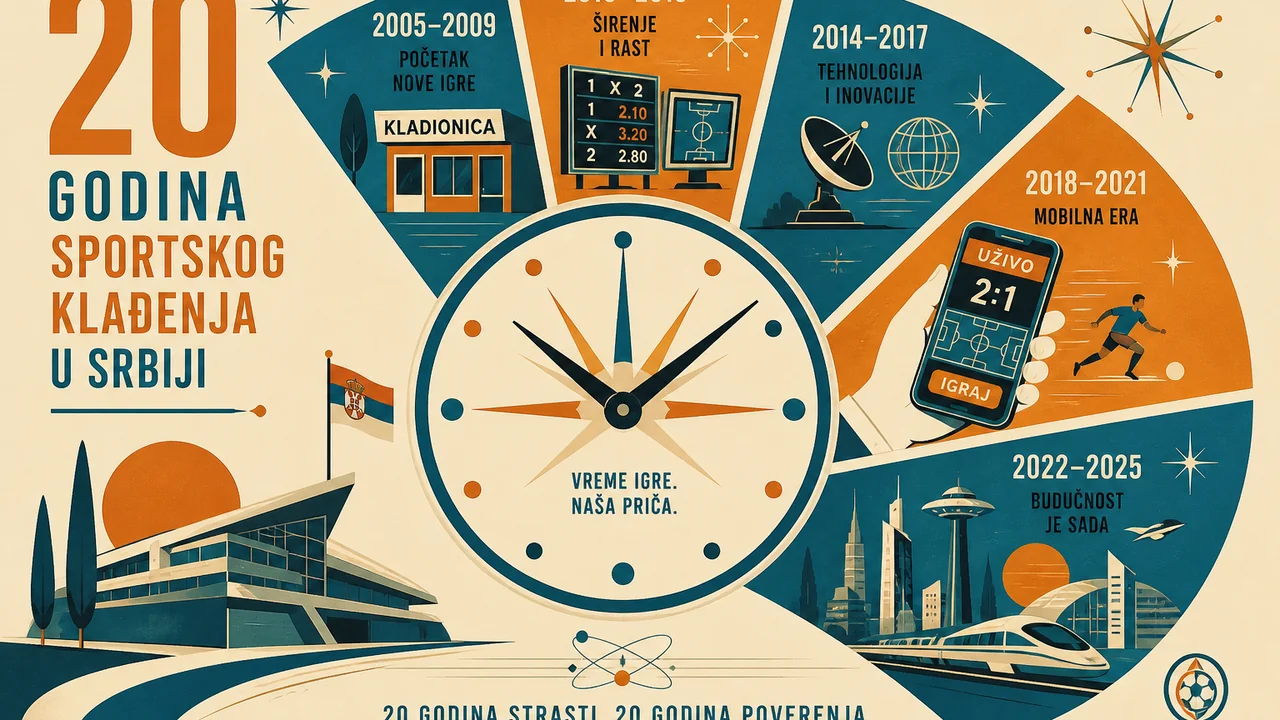
Sports betting in Serbia has been transformed across the last two decades in ways that would be unrecognisable to a bettor who last picked up a paper slip in a corner shop in the early 2000s. This long retrospective walks through twenty years of evolution, from the mostly offline landscape of the mid-2000s through the digital launch of the early 2010s, the regulatory consolidation of the 2020s and the technology-driven present of 2026. The intent is to show how the hobby got here, what has genuinely improved, what has become more complicated, and what has not changed at all.

The timeline is drawn from publicly available information about Serbian regulation, operator history and industry reporting. It is a reading of the market’s documented shape rather than a personal memoir, but the texture of each era should feel familiar to anyone who has placed a Serbian ticket across the period covered.
| Era | Dominant mode | Signature feature | Regulatory moment |
|---|---|---|---|
| Mid-2000s | Shop-based | Paper slips, local favourites | Early licensing structure |
| Early 2010s | Mixed shop and web | Desktop sites emerge | 2011 online law, 2013 licensing system |
| Mid 2010s | Mobile-first shift | Early apps and SMS betting | Advertising rules tighten |
| Early 2020s | App-dominant | Live markets explode | 2020 Act on Games of Chance |
| Mid 2020s | Platform maturity | Streaming, cash out, props | 2024 amendments, January 2025 effect |
The Mid-2000s Were the Shop Era
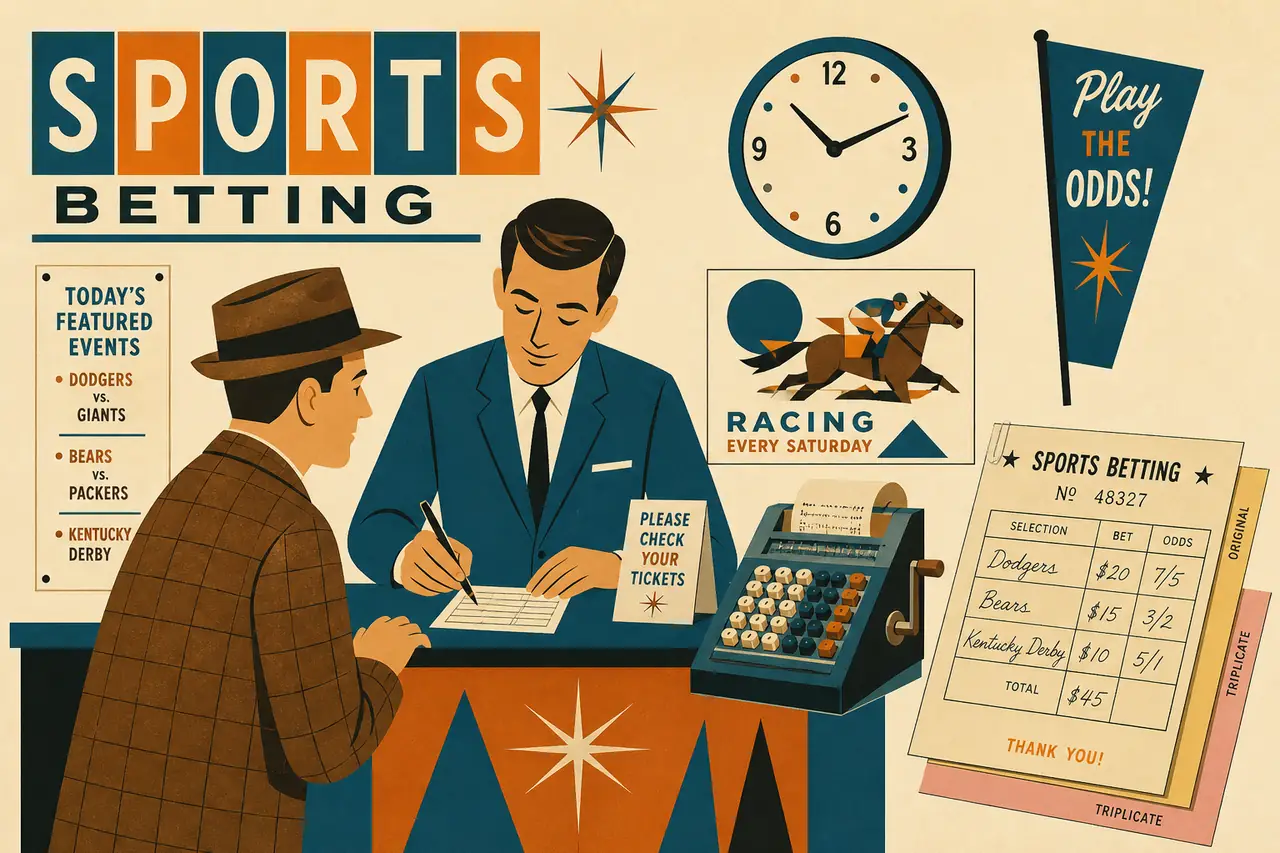
The mid-2000s Serbian bettor lived almost entirely in physical shops. A trip to the local kladionica on a Saturday afternoon was the normal route to a weekend slip. The shop clerk hand-wrote tickets or printed them on dot-matrix slips. Odds were displayed on A4 sheets taped to the wall and updated by hand through the day.
Historical note. The mid-2000s shop was a physical social space. Much of what the modern app replaces was conversation, not technology.
- Hand-written or dot-matrix paper slips
- A4 odds sheets taped to shop walls
- Local operator dominance before national brands consolidated
The sports offered were narrower than today. Football, basketball, handball and volleyball were the staples. The operator roster was dominated by local brands that have since grown into the national names recognisable now, including Mozzart which was founded in Belgrade in 2001.
What a Mid-2000s Weekend Looked Like
A typical weekend involved a Friday evening visit to the shop to study the odds sheet, a return on Saturday morning to place a ticket, and a Sunday evening check-in to collect any winnings. The pace was slow, the margin was wider on specials and shorter on the main markets, and the overall operator footprint was concentrated in the larger cities.
The information available was limited. A bettor relied on daily sports press for team news, radio commentary for live scores, and shop conversation for the rumours that often moved local lines. The idea of comparing odds across operators in real time was not practical.
The Early 2010s Launched the Digital Era
The 2011 Serbian law on games of chance introduced regulation for online gambling, with a licensing system that was fleshed out across 2012 and 2013. This was the foundational moment for the digital era of Serbian sports betting. Operators who had been purely shop-based began building desktop web experiences, and the first wave of online-first Serbian players appeared.
Historical note. The early digital era normalised the online account. The hobby’s current infrastructure sits directly on this foundation.
- 2011 online law passed
- 2012 law in force
- 2013 licensing system fully operational
- Desktop sites begin to displace shop visits
The early 2010s desktop site was functional but not sophisticated. Pages took seconds to load, odds updated on a slow refresh cycle, and the responsive design we take for granted now was absent. Live betting existed but was limited to a handful of major fixtures, and the mobile experience was essentially a cut-down version of the desktop site on a small screen.
Early Digital Habits That Have Not Lasted
Several habits from the early digital era faded quickly. SMS betting, in which a bettor texted a stake and market to a shortcode, had a brief moment and then disappeared as apps improved. Combined online-and-shop promotions, where a shop-placed ticket could be managed online, worked for a while but ran into KYC complications. The expectation of a Sunday evening payout in cash from a shop also fell away as digital wallets and faster bank transfers took over.
What survived was the core shape of the online account. A deposit, a slip, a settlement, a withdrawal, all run through a licensed operator with a visible licence number on the footer. That shape, defined in the early 2010s, remains the backbone of the Serbian licensed market today.
The Mid-2010s Were the Mobile-First Shift
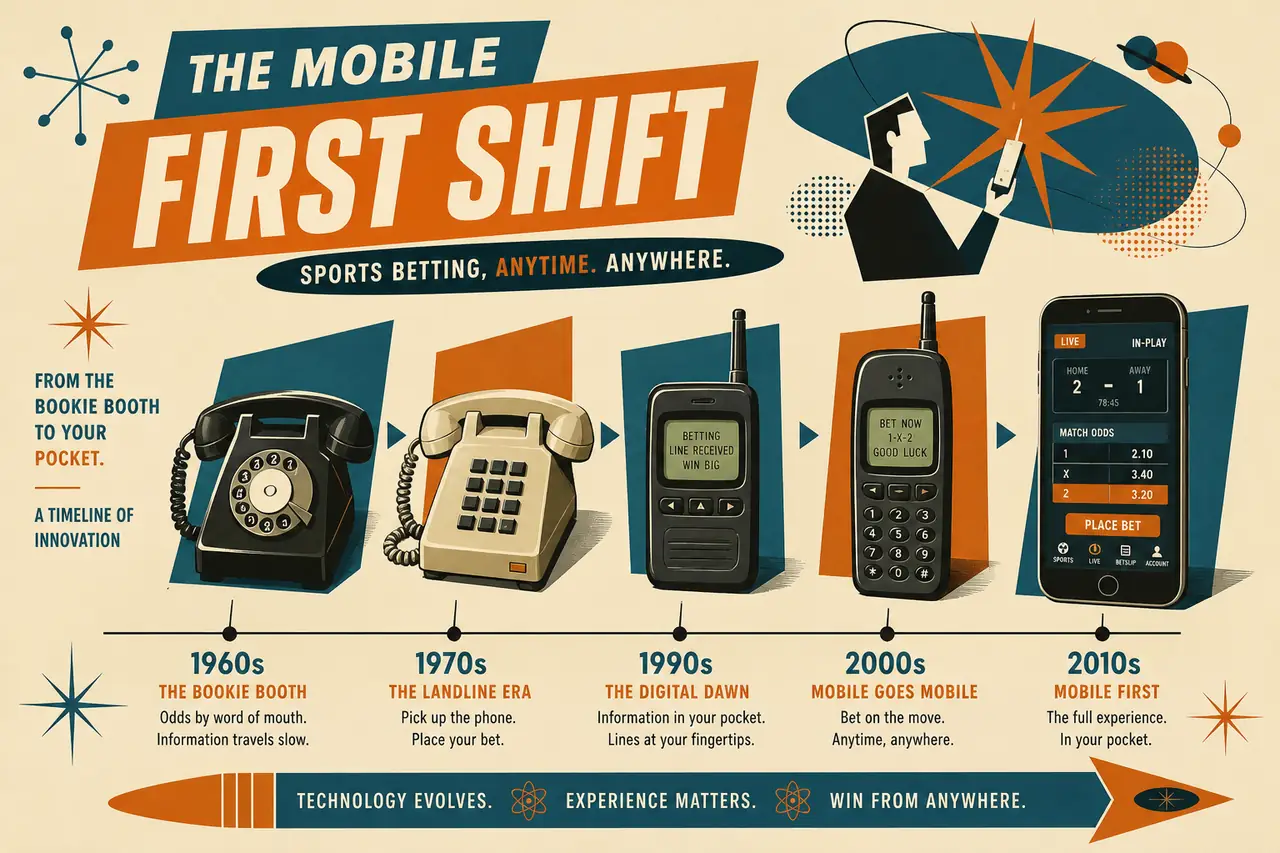
Around 2014 and 2015, Serbian operators began building apps that were designed for mobile first rather than ported from desktop. The shift was dramatic. Load times dropped, odds updated in real time, live markets became usable on a phone, and the app rapidly displaced the desktop site as the primary channel for most players.
Historical note. Mobile-first design made the hobby ambient. The pace shift was more consequential than any single product.
- Mobile-first apps displace desktop ports
- Live markets become usable on phones
- Advertising rules tighten around warnings
The mid-2010s also saw advertising rules tighten. Gambling adverts had to carry responsible-play warnings and avoid targeting vulnerable groups. The 2020 Act would later formalise the addiction-prevention warning in its full current form, but the direction was already set.
The Rise of Live Betting on Phones
Live betting took off during this era. The combination of faster data networks, better apps and more detailed in-match data feeds made in-play markets viable on a phone during a casual Saturday afternoon. For many Serbian bettors, this was the moment the hobby became more immediate and more frequent, with implications that are still being worked through in responsible-play policy today.
A UK study of in-play betting from this period, later summarised in The Conversation, began to document the behavioural patterns that still inform the design of modern responsible-play tools. The research found that bettors most frustrated and reactive used instant deposit features most, which influenced how Serbian operators began structuring deposit flows in later years.
The Early 2020s Brought the New Act
The 2020 Act on Games of Chance, adopted in March and in force from 10 April 2020, was the single largest regulatory moment of the two decades covered here. It raised capital and deposit requirements across the board, formalised the IT communication system that connects operators to the Games of Chance Administration in real time, extended video surveillance to betting shops and slot venues, and introduced the hundred-metre minimum distance between gambling venues.
Regulatory note. The 2020 Act visibly raised the regulatory floor. Every subsequent amendment refines rather than replaces this foundation.
- Share capital raised across licence categories
- IT system for real-time data exchange formalised
- Video surveillance extended to betting shops
- Mandatory addiction-prevention warning on adverts
The 2020 Act also brought a mandatory addiction-prevention warning on every gambling advert, in addition to the existing underage-gambling warning. For a Serbian bettor who had been active across the 2010s, the regulatory floor beneath the hobby suddenly rose noticeably.
What the 2020 Act Meant for the Player
For the player, the 2020 Act meant three concrete things. Licensed operators were visibly more capitalised. The regulator had real-time visibility into the betting ledger. Advertising carried mandatory responsible-play messaging on every exposure. These are not dramatic shifts, but together they changed the context the hobby lived in from a mostly commercial market to a visibly regulated one.
The compliance deadline was 15 months from the application date, meaning every operator on the current Serbian licensed register has already met the capital, deposit, IT system and surveillance requirements set out in the Act. The register is itself the proof of this, which is why the first decision in any modern Serbian player’s framework starts with the licensed roster.
The Mid-2020s Saw Platform Maturity
The 2024 amendments to the Act, with key provisions in force from January 2025, brought the regulatory package into its current form. E-licensing, stricter KYC, improved self-exclusion data exchange across operators, and explicit online fee structures were formalised. IP and site blocking against unlicensed operators became more systematic.
Observation. Maturity means the technology has caught up with the hobby. The next shift will likely be about calibration, not expansion.
- E-licensing introduced
- KYC and self-exclusion exchange tightened
- IP and site blocking against unlicensed operators
- Responsible-play toolkit visible in main account menus
Alongside the regulatory maturity came platform maturity. Serbian licensed operators now routinely offer live streaming, cash out on both pre-match and live tickets, deep player prop boards on basketball and NBA, instant IPS withdrawals and clean mobile apps. The responsible-play toolkit became visible in the main account menu rather than hidden in a settings submenu.
What a 2026 Serbian Weekend Looks Like
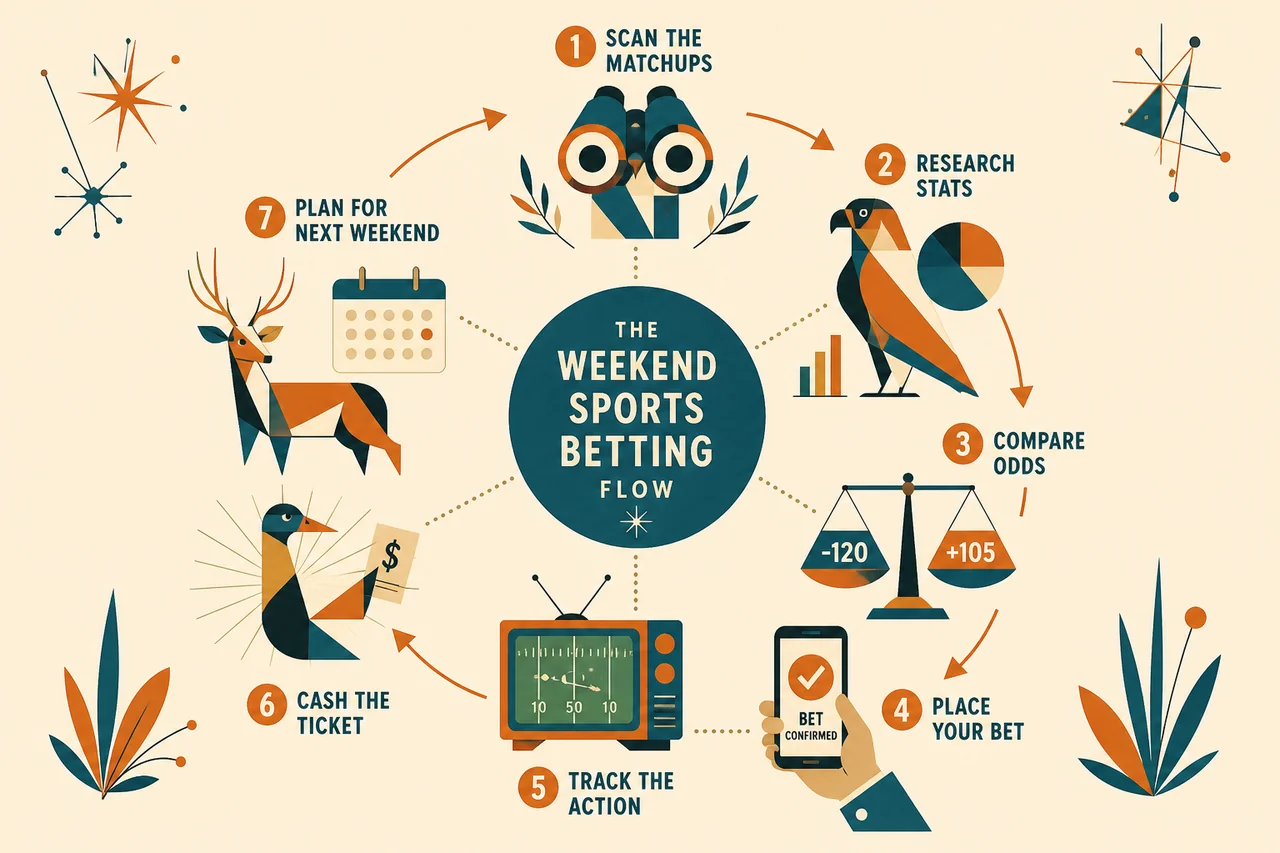
A 2026 Serbian weekend bettor opens a licensed-site app on Friday evening, reads the fixtures with implied probabilities shown alongside each decimal price, builds a short pre-match slip with one or two legs, places the ticket within a monthly deposit limit set in advance, watches the match on the operator’s own stream, and reviews the account history on Sunday morning. The whole flow is faster, more informative and more structured than the mid-2000s shop visit it replaced.
Independent guides matured alongside the platforms. A Serbian guide such as buraz bet covers only operators on the Games of Chance Administration register, with current promotion summaries, payment notes and support quality observations. For a Serbian player, a guide that only lists licensed operators is a good thing because it collapses several site visits into one browse and keeps the account on the regulated side of the market.
What Has Genuinely Improved Over Twenty Years
Several things have unambiguously improved. The regulatory floor beneath the licensed market is higher. Operator capital and deposit backing are substantial. The IT system connecting operators to the regulator is real-time. KYC is faster and more reliable. Mobile apps are responsive. Streaming is widely available. Responsible-play tools are visible and effective. Payment channels clear faster in both directions. Market depth has expanded dramatically.
For the Serbian player, this means the licensed market in 2026 is a safer, faster and more informative place to run the hobby than any version of it in the previous twenty years. The gap between licensed and unlicensed experiences has also widened in the licensed market’s favour.
What Has Become More Complicated
A few things have become more complicated. The pace of the hobby has accelerated, with live markets, cash out and streaming compressing attention windows. Promotion marketing is more sophisticated and more constant. The decision load per weekend is higher than it was in the paper-slip era, which is why decision frameworks have become more useful.
Responsible-play tools have become more necessary too. The research summarised by GambleAware on anchoring and commitment devices did not exist in the mid-2000s because the hobby’s pace did not require it then. The tools exist today because the pace does.
What Has Not Changed in Twenty Years
Several things have not changed in twenty years. The overround on main markets at Serbian licensed sites remains in the same band it was in the mid-2000s. The honest return expectation for a casual priced-entertainment product is still break-even at best over a season. The hobby’s basic shape, which is a priced opinion on an outcome available to be bought and settled by an operator, is identical.
Takeaway. The continuity is reassuring. The hobby’s shape has survived every structural shift it has faced.
- Overround on main markets
- Honest return expectation for casual play
- The basic shape of a priced opinion on an outcome
What matters most about the hobby, which is what the player wants from it, has also not changed. A weekend ritual, a connection to the sport, a small flutter on the match being watched, a quiet celebration or quiet resignation at the final whistle. The texture is the same across twenty years. The infrastructure holding it has transformed.
Why the Continuity Matters
The continuity is important because it anchors the hobby. A Serbian player who understands the twenty-year arc knows what the hobby is for and what it is not for. The arc shows that the technology changes, the regulation tightens, the promotions evolve, and the price of the entertainment stays roughly where it was. The hobby belongs to the player, not to any particular era of the market.
What the Next Decade Might Bring
Looking forward from 2026 is speculative but worth noting briefly. Several directions seem plausible. Harm-detection models will probably become more sophisticated, catching problem patterns earlier and reducing late-stage harm. Open banking integration may improve both deposit and withdrawal rails further. Personalised promotion engines may deliver either more useful offers or more aggressive marketing, depending on the operator. Independent guides and the licensed roster will remain the stable anchors for a Serbian player regardless of where the technology goes.

The regulatory framework established across the last twenty years, and particularly the 2020 Act with its 2024 amendments, is likely to remain the backbone. Significant structural changes in Serbian gambling regulation tend to be rare, and the current package is still being absorbed by the market.
What a Serbian Player Can Take From Twenty Years
The main takeaway is reassurance about continuity. The hobby’s shape has survived twenty years of technological, regulatory and commercial change. The habits that work in 2026, which is to pick a licensed operator, set the deposit limit, keep a ledger and run the four-decision framework, would have worked in the mid-2000s on a paper slip just as well, allowing for the different pace of the underlying machinery.
Observation. The habits that work now would have worked in 2006. The infrastructure around them has done most of the maturing.
- Pick a licensed operator
- Set the deposit limit on day one
- Keep a monthly ledger
- Run the four-decision framework
A Serbian player who leans on the continuity rather than the novelty tends to run a steadier season than one who chases the latest promotion or market. The twenty-year arc teaches that the quiet habits travel further than the loud features, and that the hobby belongs to the player regardless of which era of the market it is lived in.
Where the Retrospective Points Forward
The retrospective is useful mostly because it points forward. A player who understands how the market got here is better equipped to read the next shift when it arrives. The technology will change again. The regulation will adjust again. The promotions will mutate again. The core question of the hobby, which is whether a priced-entertainment product is worth the margin to you, will not.
Twenty years of sports betting evolution in Serbia is a short way of saying that the infrastructure has caught up with the hobby. The hobby itself has waited patiently to be met where it already was. That meeting, as of 2026, is now in good shape for any Serbian player willing to run the hobby with the habits the twenty-year arc has shown to work.